
Design the workflow
Map the machines, people, conditions, and operating rules the system needs to handle.
GRIT combines connected hardware and local software to retrofit the equipment you already own with tool-level productivity data, maintenance signals, automatic dust collection, and documented machine access. For production floors, industrial facilities, and education labs, our team helps design the solution, specify the required components, and support it from startup through expansion.
500+ installations across schools, makerspaces, and manufacturing facilities


GRIT brings the hardware, local software, and practical support together so every component has a clear job from startup through expansion.
Map the machines, people, conditions, and operating rules the system needs to handle.
Match the Hub, controls, sensors, credentials, and interfaces to the equipment already on site.
Configure, start up, and expand the same local foundation as more tools, spaces, and sites come online.
The GRIT Hub keeps control decisions on site. Connected Plant adds the administration, integrations, and operating support that facility, IT, and operations teams need across locations.
On site by design
The Hub applies configured rules locally, so machine access and automation do not depend on an internet connection.
Connected where it helps
Bring selected records into central administration, enterprise systems, usage reporting, and maintenance planning.
Connect approved GRIT records to the systems your team already uses to schedule and measure production.
Use the identity systems and credentials the organization already manages instead of building a second program.
Administer authorized users, site settings, and connected GRIT locations through one service layer.
Keep replacement coverage with the connected system without a separate device-replacement charge.
Build maintenance intervals from measured runtime, then review run hours and idle time by machine and shift.
Connected Plant is quoted with your GRIT system and priced per site and per connected tool.
Start with the problem that costs you the most time or creates the most risk. The same local platform connects your tools, records runtime, and supports preventive maintenance across every Solution.
 01
01Collect dust only where work is happening.
Open automated blast gates, start or stage existing dust collectors, and verify that the system responded when a tool turns on.
Blast gates · Collector control · Filter and bin monitoringExplore Dust Management 02
02Put training rules at the machine.
Use RFiD credentials, local permissions, and presence rules to decide who can power on each machine and when.
Machine authorization · Training records · Local lockoutExplore Access Control 03
03Turn credentials into clean operating records.
Record attendance, job time, and room access with the same badge people already carry, without a separate clock at every station.
Attendance · Job time · Room accessExplore Time & Access 04
04Know who has it, where it is, and what it needs.
Keep custody, location, documents, service history, and checkout activity together for shared tools and equipment.
Checkout · Service history · Documents and custodyExplore Asset Management 05
05Match energy use to actual demand.
Measure machine demand, stop avoidable idle loads, and match collection power to the work happening across the shop now.
Demand sensing · Idle-load control · Runtime dataExplore Energy Management 06
06Turn changing shop conditions into a response.
Watch particulate, pressure, temperature, and humidity, then activate filtration or notify the right people when thresholds are crossed.
Air quality · Pressure · Temperature and humidityExplore Environmental Monitoring 07
07Add occupancy context to a connected station.
Use the Presence Trigger as a local automation input or to hold a linked GRIT Track session while the configured area remains occupied.
Presence sensing · RFiD timeout hold · Local automationExplore Machine SupervisionWho it is for
The same on-site foundation supports manufacturing operations, industrial facilities, and education labs.
 Manufacturing
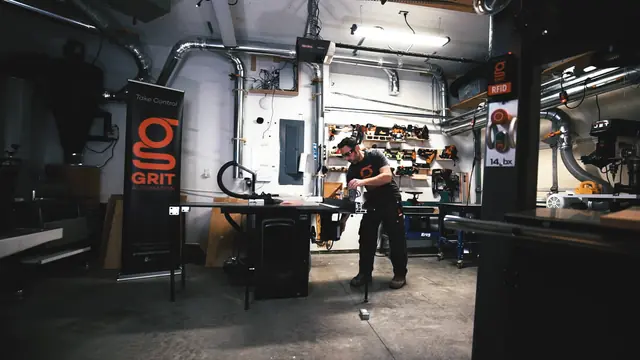
Capture tool-level runtime, automate dust collection, and turn operating data into maintenance and productivity decisions.
 Industrial
Connect machine access, operating conditions, energy demand, and multi-zone automation through one on-site system.
 Education
Connect student credentials, tool permissions, automatic dust collection, and operating records. Educational discounts apply.
Named installations you can look at across manufacturing and education.
 K-12 Education
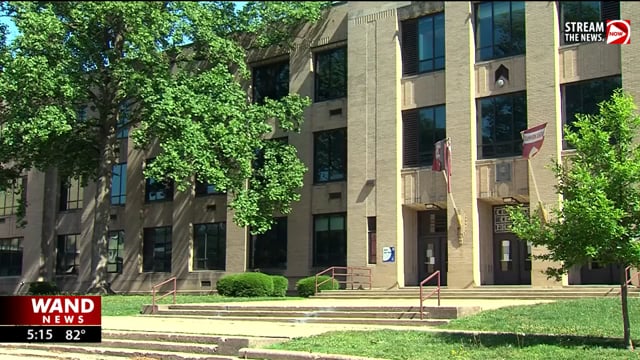
Student machine access tied to completed training, automatic dust collection, and air-quality monitoring — the $41,000 system GRIT donated to the school where it started, covered by WAND News. Read the case study →
 University
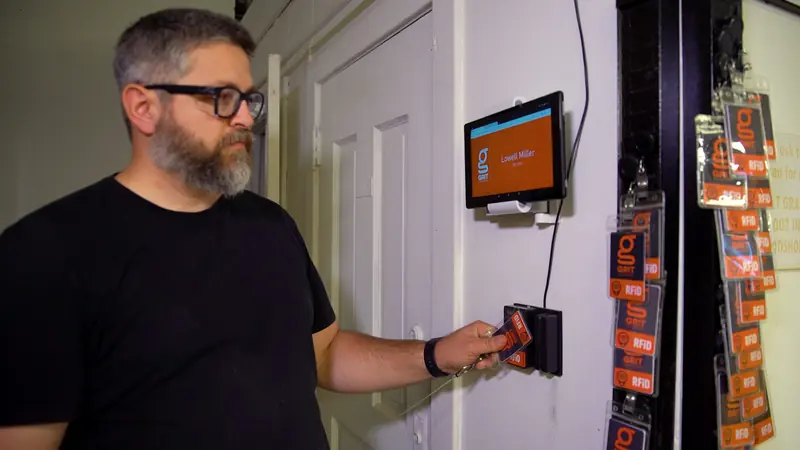
The School of Architecture fabrication lab uses badge-in machine access so students only start tools they are cleared on. Hear it from the fabrication coordinator →
ManufacturingSee manufacturers, universities, schools, and shared facilities using GRIT to connect equipment, people, and operating data. View customers →
Also running at Pella, Marvin, Arclin, SawStop, Lehigh, Missouri S&T, and dozens more — see who runs GRIT →
GRIT connects to the equipment and systems already in your shop. Start with one practical workflow, prove it, and expand on the same local foundation.
Get started
Tell us what equipment you have and what needs to happen automatically. Our team will design the GRIT solution, specify the required components, and support the hardware and software through startup and expansion.
GRIT combines connected hardware and local software to retrofit the equipment you already own with tool-level productivity data, maintenance signals, automatic dust collection, and documented machine access. For production floors, industrial facilities, and education labs, our team helps design the solution, specify the required components, and support it from startup through expansion.
500+ installations across schools, makerspaces, and manufacturing facilities
GRIT brings the hardware, local software, and practical support together so every component has a clear job from startup through expansion.
Map the machines, people, conditions, and operating rules the system needs to handle.
Match the Hub, controls, sensors, credentials, and interfaces to the equipment already on site.
Configure, start up, and expand the same local foundation as more tools, spaces, and sites come online.
The GRIT Hub keeps control decisions on site. Connected Plant adds the administration, integrations, and operating support that facility, IT, and operations teams need across locations.
On site by design
The Hub applies configured rules locally, so machine access and automation do not depend on an internet connection.
Connected where it helps
Bring selected records into central administration, enterprise systems, usage reporting, and maintenance planning.
Connect approved GRIT records to the systems your team already uses to schedule and measure production.
Use the identity systems and credentials the organization already manages instead of building a second program.
Administer authorized users, site settings, and connected GRIT locations through one service layer.
Keep replacement coverage with the connected system without a separate device-replacement charge.
Build maintenance intervals from measured runtime, then review run hours and idle time by machine and shift.
Connected Plant is quoted with your GRIT system and priced per site and per connected tool.
Start with the problem that costs you the most time or creates the most risk. The same local platform connects your tools, records runtime, and supports preventive maintenance across every Solution.
01Collect dust only where work is happening.
Open automated blast gates, start or stage existing dust collectors, and verify that the system responded when a tool turns on.
Blast gates · Collector control · Filter and bin monitoringExplore Dust Management02Put training rules at the machine.
Use RFiD credentials, local permissions, and presence rules to decide who can power on each machine and when.
Machine authorization · Training records · Local lockoutExplore Access Control03Turn credentials into clean operating records.
Record attendance, job time, and room access with the same badge people already carry, without a separate clock at every station.
Attendance · Job time · Room accessExplore Time & Access04Know who has it, where it is, and what it needs.
Keep custody, location, documents, service history, and checkout activity together for shared tools and equipment.
Checkout · Service history · Documents and custodyExplore Asset Management05Match energy use to actual demand.
Measure machine demand, stop avoidable idle loads, and match collection power to the work happening across the shop now.
Demand sensing · Idle-load control · Runtime dataExplore Energy Management06Turn changing shop conditions into a response.
Watch particulate, pressure, temperature, and humidity, then activate filtration or notify the right people when thresholds are crossed.
Air quality · Pressure · Temperature and humidityExplore Environmental Monitoring07Add occupancy context to a connected station.
Use the Presence Trigger as a local automation input or to hold a linked GRIT Track session while the configured area remains occupied.
Presence sensing · RFiD timeout hold · Local automationExplore Machine SupervisionWho it is for
The same on-site foundation supports manufacturing operations, industrial facilities, and education labs.
ManufacturingCapture tool-level runtime, automate dust collection, and turn operating data into maintenance and productivity decisions.
IndustrialConnect machine access, operating conditions, energy demand, and multi-zone automation through one on-site system.
EducationConnect student credentials, tool permissions, automatic dust collection, and operating records. Educational discounts apply.
Named installations you can look at across manufacturing and education.
K-12 EducationStudent machine access tied to completed training, automatic dust collection, and air-quality monitoring — the $41,000 system GRIT donated to the school where it started, covered by WAND News. Read the case study →
UniversityThe School of Architecture fabrication lab uses badge-in machine access so students only start tools they are cleared on. Hear it from the fabrication coordinator →
ManufacturingSee manufacturers, universities, schools, and shared facilities using GRIT to connect equipment, people, and operating data. View customers →
Also running at Pella, Marvin, Arclin, SawStop, Lehigh, Missouri S&T, and dozens more — see who runs GRIT →
GRIT connects to the equipment and systems already in your shop. Start with one practical workflow, prove it, and expand on the same local foundation.
Get started
Tell us what equipment you have and what needs to happen automatically. Our team will design the GRIT solution, specify the required components, and support the hardware and software through startup and expansion.
